
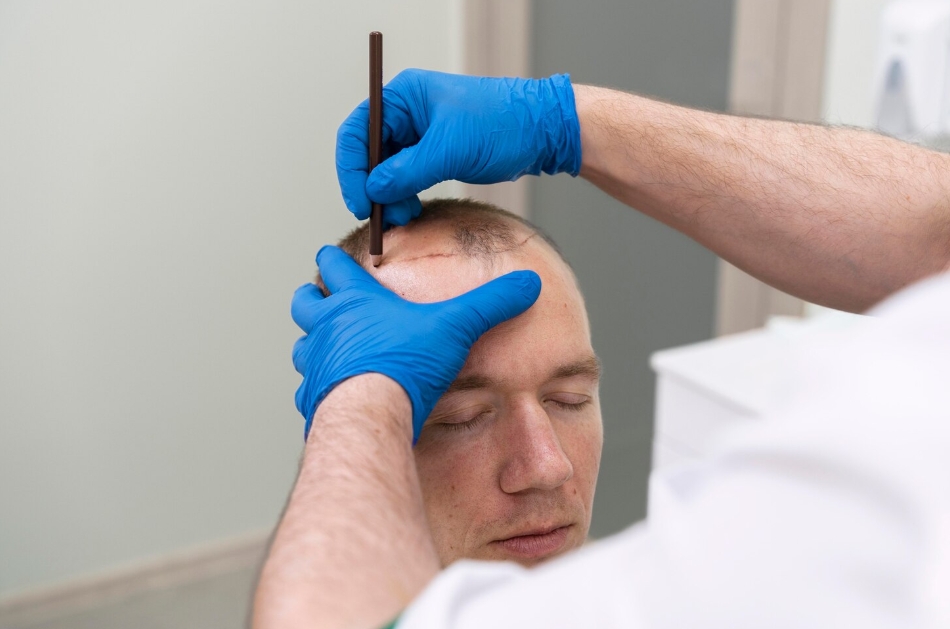
India is getting younger, but its hair loss statistics are not. Dermatologists across major cities report a striking trend: people in their 20s and early 30s are experiencing visible thinning, receding hairlines, and reduced density far earlier than the previous generation ever did. Once considered a middle-aged concern, hair loss has silently become a young-adult epidemic.
But unlike what most people think, genetics alone is not responsible. Three modern lifestyle habits, stress, screens, and sugar, have become the perfect trio for accelerated hair thinning among young Indians. These factors intersect with hormones, nutrition, and the body’s natural repair cycle in ways that profoundly impact hair follicles.
Here is the deeper truth behind why early hair loss is becoming so common, and why addressing these three elements can slow down or even prevent the thinning that so many young Indians are facing.
1. Stress – The Invisible Hair Follicle Killer
Stress isn’t new, but the kind of stress modern Indians face is unlike anything before. High-pressure jobs, academic competition, long commutes, late nights, rising cost of living, and digital overload have created a culture where people are “always on.”
The body perceives stress, whether emotional, physical, mental, or even digital, as a threat. In response, it releases cortisol, the primary stress hormone. While essential for short bursts, chronic cortisol is disastrous for hair.
Here’s why:
Cortisol Disrupts the Hair Cycle
Hair doesn’t fall out immediately when you’re stressed. Instead, cortisol gradually pushes follicles into the “resting” phase (telogen), where they stop growing and prepare to shed. After a few weeks or months, that hair starts falling out in large amounts — often creating panic.
Stress Increases Inflammation
Follicles shrink faster when the body is inflamed. Chronic mental stress silently increases inflammation levels inside the body, weakening the roots.
Stress Affects Hormones
In men, stress can indirectly increase DHT activity, speeding up genetic hair thinning. In women, it can trigger hormonal imbalances that mimic PCOS-like patterns.
This explains why so many young people suddenly experience massive shedding after exam seasons, job changes, breakups, moving cities, or long work cycles.
2. Screens – The New Lifestyle Habit Nobody Saw Coming
Hours of screen time per day are now the norm. Young Indians spend more time looking at digital screens than at sunlight, real people, or natural environments. While screens do not directly cause hair loss, the behaviours linked to heavy screen usage absolutely contribute.
Poor Posture Reduces Scalp Blood Flow
Leaning over phones or laptops for hours compresses neck muscles, reducing blood flow upward toward the scalp. Hair follicles need steady circulation to grow; reduced oxygen supply weakens them.
Screens Wreck Sleep
Blue light suppresses melatonin; the hormone responsible for sleep and natural repair cycles. When you don’t sleep well:
- Cortisol rises
- Hormones destabilise
- Inflammation increases
- Hair enters the shedding phase faster
Many young Indians sleep past midnight due to OTT shows, gaming, scrolling, or online classes. This repeated pattern damages hair more than people realise.
Screens Increase Mindless Snacking
Long hours of content consumption encourage high-calorie snacking, especially sugary foods, which leads to the next major problem.
3. Sugar – Sweet to Taste, Terrible for Hair
India’s sugar consumption has skyrocketed. From milk-based sweets to desserts, packaged foods, energy drinks, bakery items, and “healthy-looking” granola bars, sugar hides everywhere.
But sugar is one of the most damaging things for hair health.
Sugar Spikes Insulin
When sugar hits your bloodstream, insulin spikes rapidly.
Chronic insulin spikes lead to:
- Inflammation
- Hormonal imbalance
- Elevated DHT activity
- Poor nutrient absorption
This directly affects hair density and speeds thinning.
Sugar Causes Nutrient Drain
Frequent sugar intake reduces chromium, zinc, and protein absorption — all vital for strong follicles.
Sugar Feeds Inflammation
Inflammation is the enemy of hair growth. Even mild chronic inflammation weakens follicles, making them shrink faster.
In cities like Mumbai, Bangalore, and Pune, young adults often depend on sugar-heavy energy drinks, coffees, and midnight snacks to get through workdays, unknowingly creating the perfect environment for early hair thinning.
Why This Trio Is More Dangerous for Indian Youth Than Genetics Alone
Genes determine whether you’ll have hair loss. Lifestyle determines when it will start and how fast it will progress.
For many Millennials and Gen Z Indians, hair loss begins earlier, not because their genes are worse, but because their lifestyles intensify their genetic tendencies.
Here’s how the trio accelerates the process:
- Stress increases cortisol → weakens follicles
- Screens disrupt sleep → destabilise hormones
- Sugar spikes insulin → increases inflammation
Together, they:
- Shorten the growth phase
- Prolong the resting phase
- Speed up shedding
- Reduce density
- Make hair finer
- Trigger an early recession
This is why hair transplant clinics report a surge in 22–35-year-old patients seeking early diagnosis and personalised treatment plans.
The Rising Need for Expert Intervention
While lifestyle correction slows the progression, many young adults already see visible thinning that cannot be reversed naturally. For these individuals, medical intervention becomes necessary.
This is where modern hair transplant clinics like Bloom Hair Transplant are seeing a steady increase in young, tech-driven professionals seeking long-term solutions. They are not waiting for advanced baldness; they want to preserve their appearance early and prevent rapid loss.
Young adults today prefer:
- Accurate diagnosis
- AI-based scalp scans
- Natural-looking hairline design
- Preventive treatments
- Long-term planning
Their approach is proactive rather than reactive.
Screens, Stress, Sugar… and the New “Confidence Economy”
The digital era has created a new phenomenon: people see their own faces daily, often in high definition, during video calls, selfies, reels, meetings, and photos. As a result, even slight thinning becomes noticeable and emotionally impactful.
This is one reason the demand for the best hair transplant in Mumbai continues to rise. Young professionals want to maintain their confidence and presence in a world where appearance is closely tied to personal branding, workplace image, and even social identity.
Looking good is no longer vanity; it’s part of modern self-expression.
Reversing the Trio – What Actually Helps
While you cannot remove screens from your life or completely avoid stress, you can create healthier habits that support your hair:
- Balanced sleep schedule
- Reduced sugar intake
- Strength training for better circulation
- Anti-inflammatory diet
- Regular scalp care
- Digital breaks every hour
- Meditation, breathwork, or evening walks
- Hydration and balanced nutrition
These changes won’t regrow hair in areas that are already fully thinned out, but they will slow down further decline and support any medical treatment you choose.
Stay Away From Stress And Screens
Stress, screens, and sugar have become an inseparable part of modern India. They shape habits, routines, and even identity. But they also quietly impact hair health in ways most people never notice until it’s too late.
Hair thinning among young Indians isn’t just a genetic story anymore; it’s a lifestyle story. And the sooner this silent trio is acknowledged, the easier it is to protect the hair you have.
With better awareness, healthier habits, and, when needed, the right medical guidance, early hair loss doesn’t have to be an unavoidable reality for younger generations.